

Cryptocurrency has become one of the most exciting and volatile markets in the world. While it offers enormous profit potential, trading crypto without a strategy is risky. To trade like a professional, you need a solid understanding of market dynamics, technical analysis, risk management, and emotional discipline. This article will guide you through the essential steps to trade crypto effectively and increase your chances of consistent profits.
1. Understand the Crypto Market
Before you put your money into crypto, you must understand how the market works. Unlike traditional markets, crypto markets operate 24/7, which means prices can fluctuate at any time. Here are key points to grasp:
- Volatility is the norm: Crypto prices can rise or fall dramatically in hours. Professionals see volatility as an opportunity, not a threat.
- Liquidity varies: Some coins have high trading volumes (like Bitcoin and Ethereum), while smaller altcoins may have low liquidity, making it harder to enter or exit positions.
- Market types: There are spot markets (buying and selling the actual coins) and derivatives markets (like futures and options), which allow for leverage trading. Each has its risks and rewards.
A professional trader never enters the market blindly—they study trends, news, and market sentiment continuously.
2. Choose the Right Trading Platform
A reliable trading platform is essential. When selecting an exchange, consider:
- Security: Look for exchanges with strong security measures, insurance funds, and a good reputation.
- Liquidity: High-volume exchanges reduce the risk of slippage.
- Trading Tools: Advanced charting tools, technical indicators, and order types are vital for professional trading.
- Fees: Trading fees can eat into profits; compare rates for spot and margin trading.
Popular platforms include Binance, Coinbase Pro, Kraken, and Bybit. Test a few platforms with small amounts before committing larger funds.
3. Learn Technical Analysis
Technical analysis (TA) is the backbone of professional trading. TA uses historical price data to predict future movements. Key concepts include:
- Support and Resistance: Price levels where coins often stop falling (support) or rising (resistance).
- Trend Lines and Channels: Identifying upward, downward, or sideways trends helps you know when to enter or exit trades.
- Candlestick Patterns: Recognizing patterns like Doji, Hammer, or Engulfing can indicate market sentiment.
- Indicators: Moving Averages (MA), Relative Strength Index (RSI), and MACD are commonly used to assess momentum and potential reversals.
Professional traders often combine several indicators to confirm signals before making a trade.
4. Develop a Trading Strategy
Trading without a strategy is gambling. Pro traders always have a clear plan, which includes:
- Entry and Exit Points: Decide beforehand where you will buy and sell.
- Timeframe: Are you day trading, swing trading, or holding long-term? Each approach requires different strategies.
- Risk-Reward Ratio: Set targets where potential rewards outweigh risks (e.g., aiming for a 2:1 reward-to-risk ratio).
Some popular strategies include:
- Scalping: Making small profits on short-term price movements.
- Swing Trading: Profiting from medium-term trends over days or weeks.
- Trend Following: Riding major market trends using indicators like moving averages.
Consistency and discipline are key—don’t change your strategy impulsively.
5. Master Risk Management
Even professional traders lose trades. The key is managing risk to protect your capital:
- Position Sizing: Only risk a small percentage of your total capital on each trade (1–3% is common).
- Stop-Loss Orders: Automatically sell a coin if it falls to a certain price to limit losses.
- Diversification: Don’t put all your money into one coin—spread risk across multiple assets.
- Avoid Leverage Overuse: Leverage can amplify gains but also losses. Use it cautiously.
Effective risk management prevents catastrophic losses and keeps you in the game for the long term.
6. Keep Emotions in Check
Emotional control separates professional traders from amateurs. Fear and greed often lead to poor decisions:
- Fear: Selling too early or avoiding trades due to market dips.
- Greed: Chasing pumps or holding coins too long expecting higher profits.
Pro traders follow their plan strictly and avoid trading based on rumors or hype. Tools like trading journals help track decisions and improve discipline over time.
7. Stay Updated on News and Events
Crypto markets are highly sensitive to news. Regulatory announcements, technology upgrades, partnerships, or security breaches can cause significant price swings.
- Follow reputable sources: CoinDesk, The Block, and Binance Research are trusted platforms.
- Monitor social sentiment: Twitter, Reddit, and crypto forums often give early signals of market sentiment.
- Understand macro factors: Interest rates, inflation, and global economic conditions affect crypto prices.
Knowledge of current events allows traders to anticipate movements rather than react blindly.
8. Continuous Learning and Practice
Even pros never stop learning. Markets evolve, new coins emerge, and strategies must adapt.
- Paper Trading: Practice without risking real money to test strategies.
- Study Successful Traders: Learn from the strategies and mindset of experienced traders.
- Analyze Past Trades: Keep a journal of all trades, wins, and losses to refine your approach.
The more you learn and practice, the closer you get to professional-level trading.
9. Tools and Resources for Pro Traders
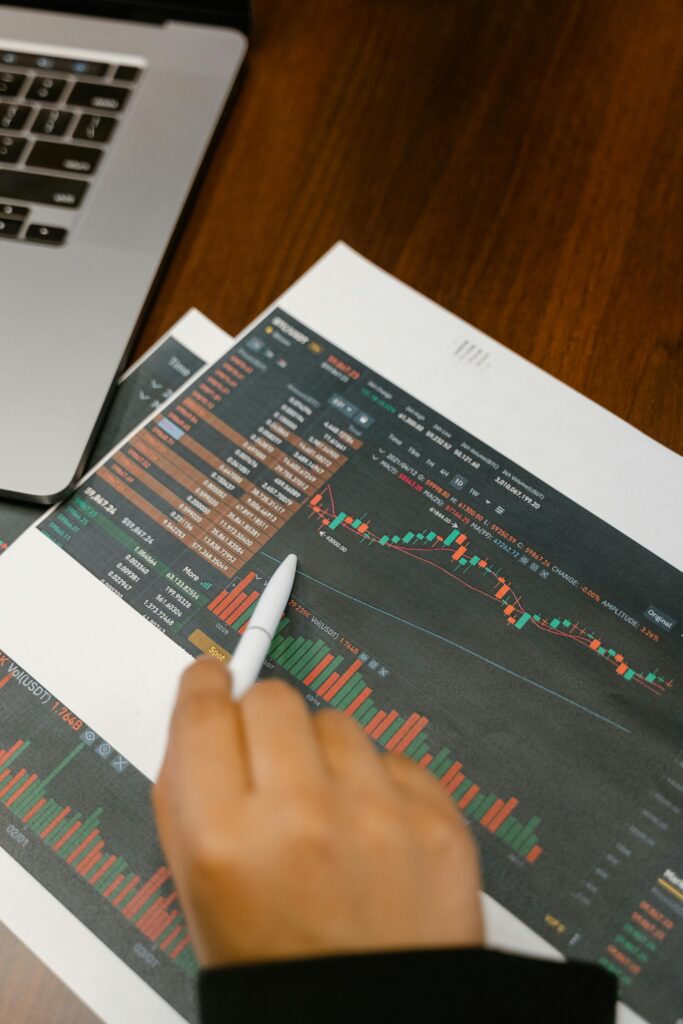
To trade like a pro, consider using:
- Charting Software: TradingView, CryptoCompare
- Portfolio Trackers: CoinStats, Delta
- News Aggregators: CryptoPanic, Messari
- Automated Trading Bots: 3Commas, Pionex (for advanced traders)
These tools save time, provide better analysis, and help execute trades efficiently.
10. Conclusion
Trading crypto like a pro is a combination of knowledge, strategy, discipline, and risk management. Beginners should start small, focus on learning, and avoid chasing quick profits. Over time, by following professional trading principles, anyone can increase their chances of consistent gains while minimizing risks. Remember, crypto trading is a marathon, not a sprint—patience and practice are your greatest assets.
Frequently Asked Questions (FAQ)
1. Do I need a lot of money to start trading crypto?
No. Many exchanges allow you to start with as little as $10–$50. The key is to start small, learn the market, and gradually increase your investment as you gain experience.
2. Can I make consistent profits in crypto trading?
Yes, but it requires knowledge, strategy, discipline, and patience. No trader wins every trade, but proper risk management can help you achieve long-term profitability.
3. What is the best time to trade crypto?
Crypto markets are open 24/7, but volatility is often higher during overlapping trading hours of major markets (like U.S. and European trading sessions). Many pro traders focus on periods of higher liquidity to minimize slippage.
4. Should I trade with leverage?
Leverage can amplify profits but also magnifies losses. Beginners should avoid high leverage until they fully understand risk management. Even pros use leverage cautiously.
5. How do I choose which cryptocurrency to trade?
Start with high-liquidity, well-established coins like Bitcoin (BTC) or Ethereum (ETH). As you gain experience, you can explore altcoins with higher risk-reward potential. Research, trends, and market sentiment should guide your choices.
6. What are stop-loss and take-profit orders
- Stop-loss: Automatically sells a coin if its price drops to a certain level to limit losses.
- Take-profit: Automatically sells a coin when it reaches a target price to lock in gains.
These are essential tools for disciplined trading.
7. How do I avoid emotional trading?
Stick to your trading plan, use stop-losses, and keep a journal of all trades. Avoid reacting to hype, FOMO, or fear-driven market swings. Practice and patience help control emotions.
8. Can I trade crypto part-time?
Yes, many traders manage trades part-time using swing trading or automated tools. Day trading requires more time and focus due to rapid price movements.
9. Is crypto trading safer than investing in stocks?
Not necessarily. Crypto is generally more volatile than traditional stocks, which means higher risk. Proper strategies, risk management, and education can make it safer over time.
10. How do I continue improving as a crypto trader?
- Study charts and market patterns regularly.
- Learn from experienced traders and trusted resources.
- Keep a trading journal.
- Experiment with paper trading before risking real money.